
Guide
Non-slip doormat features for a steadier entryway
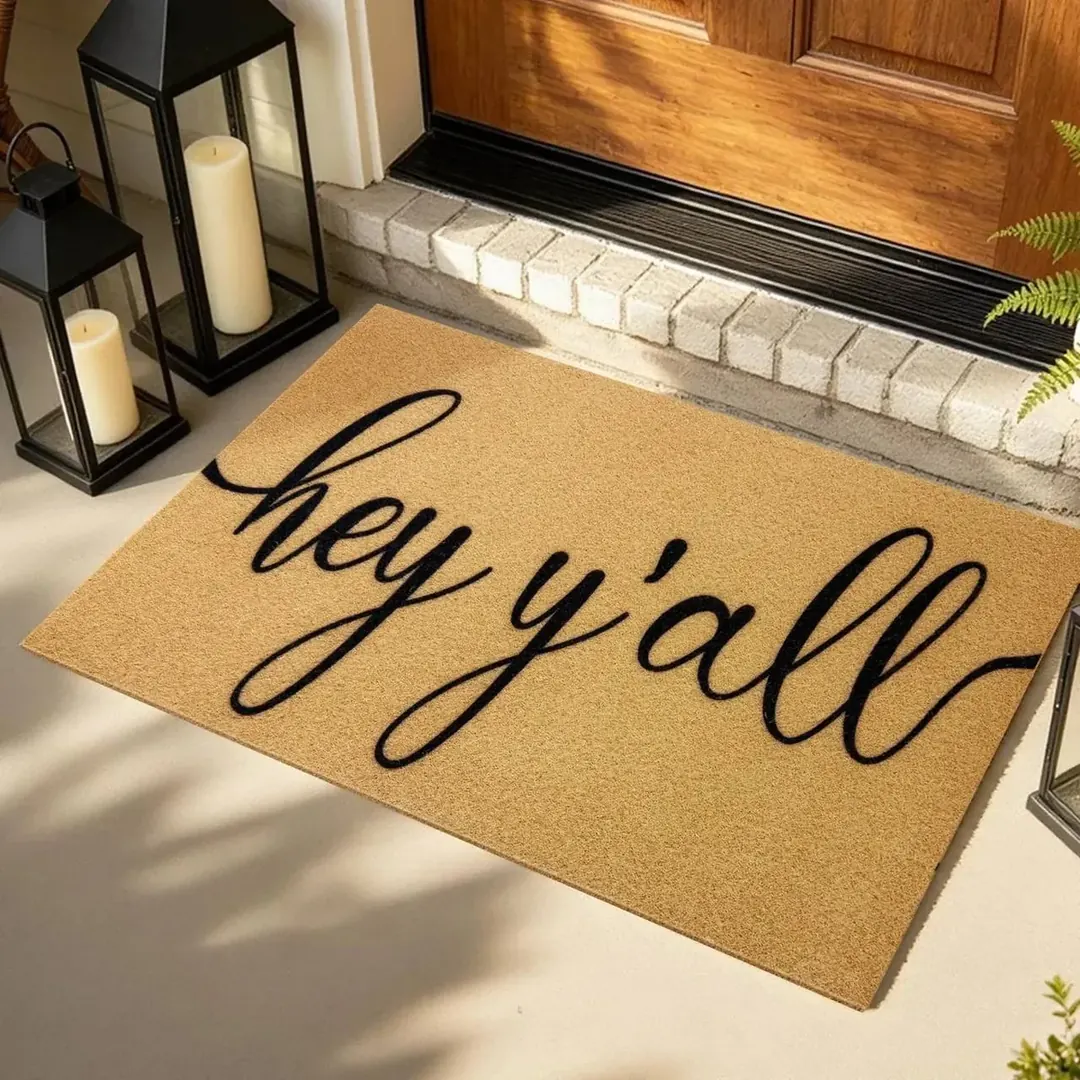
The doorway is where more slips happen than people admit. The right doormat doesn't just catch dirt — it catches you. Here's what actually makes an entry safer.
Full rubber backing, not corner dots
Full rubber backing creates more contact area than corner grips and is designed to help reduce shifting. Performance still depends on the floor, moisture, debris, wear, and whether the mat lies flat.
Low profile reduces trips
A thick mat is a tripping hazard. Keep it around 0.4″ so it lies flat and the door clears it. Flat edges matter more than a fancy border.
Texture for wet shoes
After rain or snow, smooth surfaces can become slick. A textured top can help scrape moisture and debris, but it is not a substitute for keeping the entry clean and allowing the mat and floor to dry.
Easy to maintain
A maintained mat performs better. If it is hard to shake or rinse, it is less likely to get cleaned; dirt and moisture can also change how the backing contacts the floor.
Looking for the mat itself? everyday non-slip mats buying guide. And before you choose, our doormat buying guide walks through size, material, and non-slip backing.
Ready to mark the season?
Find the mat that fits your door and your season.